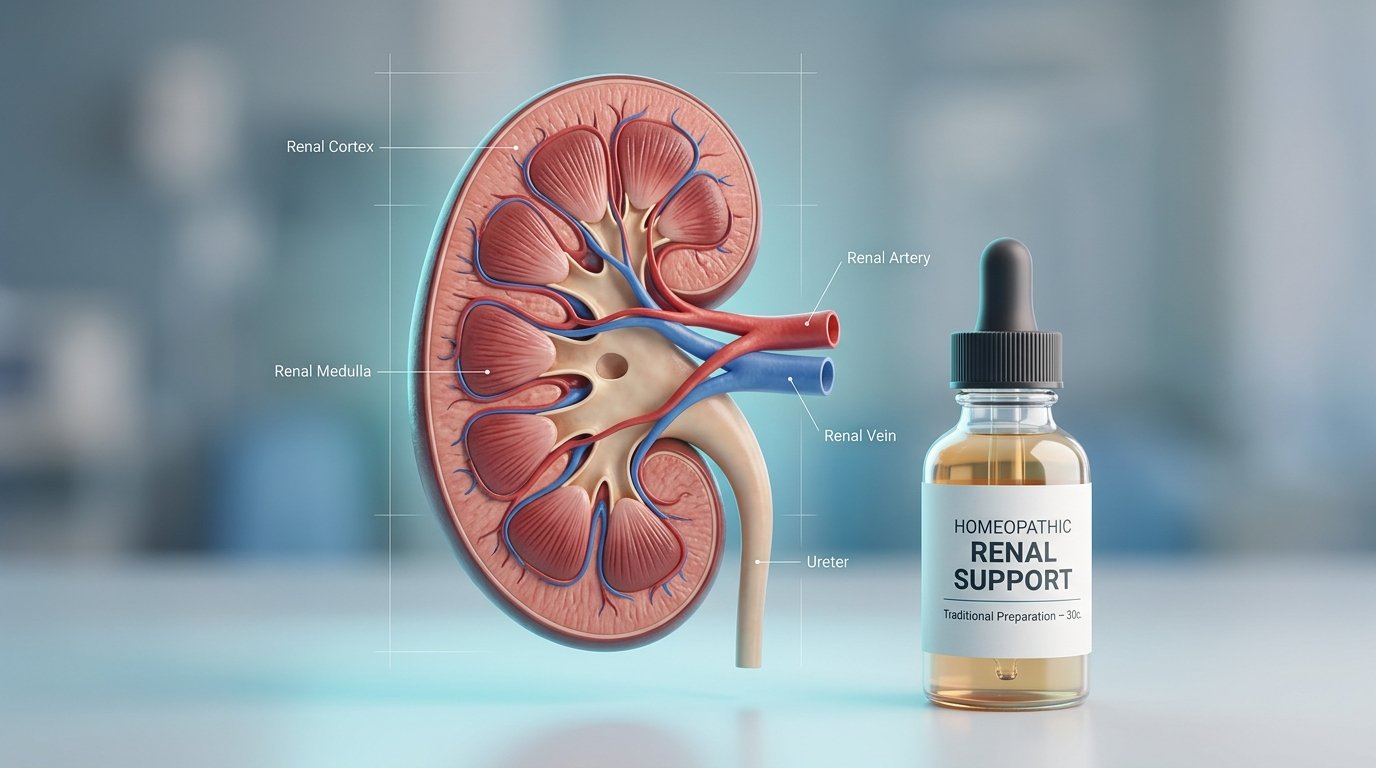
Non-Surgical Kidney Stone Removal in Gujrat: Natural, Permanent Relief
A sudden, excruciating flank pain radiating down to your lower abdomen is often the first warning sign of a kidney stone. For many patients, the sudden diagnosis comes with immediate fear of invasive surgical procedures, painful stent placements, or expensive lithotripsy treatments that carry risks of tissue scarring and recurrence.
While conventional medicine often defaults to surgical extraction once stones reach a certain size, homeopathy offers a gentle, non-invasive, and deeply effective pathway to dissolve and flush out renal calculi. Instead of merely breaking down the physical mass temporary, targeted homeopathic protocols target the underlying metabolic imbalance, preventing future stone formation altogether.
If you are seeking Non-Surgical Kidney Stone Removal in Gujrat, Dr. Aamir Shahzad at The Pakistan Homeopathic Medical Center brings over 25 years of specialized clinical experience, helping thousands of patients pass kidney stones safely without a single surgical incision.
Understanding Renal Calculi: Causes, Types, and Symptoms
Kidney stones (nephrolithiasis) develop when your urine contains higher concentrations of crystal-forming substances—such as calcium, oxalate, and uric acid—than the fluid in your urine can dilute. Over time, these microscopic crystals aggregate into hard mineral deposits within the renal pelvis or ureters.
- PRIMARY TYPES OF KIDNEY STONES• Calcium Oxalate / Phosphate Stones (Most common, high dietary risk) • Uric Acid Stones (Linked to high-protein intake and metabolic risk) • Struvite Stones (Often secondary to recurring urinary tract infections • Cystine Stones (Rare genetic metabolic conditions)
Common Underlying Causes
- Chronic Dehydration: Inadequate fluid consumption leads to concentrated, highly saturated urine.
- Dietary Imbalances: Excessive intake of sodium, animal protein, and oxalates (spinach, chocolate, tea).
- Metabolic & Hormonal Factors: Hyperparathyroidism, gout, or sluggish kidney filtration rates.
- Urinary Stasis: Obstructions or anatomical variations that prevent smooth urine flow.
Recognizing Key Clinical Symptoms
- Sharp Flank & Back Pain: Severe, episodic pain below the ribs that shoots toward the groin.
- Dysuria & Hematuria: Burning sensations during urination or pink, red, or brown-tinted urine.
- Urinary Urgency: Persistent, sudden need to urinate, often passing only tiny amounts.
- Nausea & Systemic Distress: Refractory nausea and vomiting triggered by shared neural pathways between the kidneys and GI tract.
How Homeopathy Achieves Non-Surgical Stone Passage
Conventional lithotripsy uses shockwaves to crush stones, but it does not alter the body's tendency to form them again. Up to 50% of kidney stone patients experience a recurrence within 5 to 10 years if the root cause remains unaddressed.
Homeopathy works through two complementary clinical mechanisms: mechanical expulsion and metabolic
Primary Homeopathic Remedies for Renal Calculi
In clinical practice, homeopathic medicine is never chosen at random. Selection depends entirely on the precise site of pain, stone composition, radiation pattern, and urine characteristics.
1. Berberis Vulgaris
- Clinical Indications: Widely considered the premier remedy for left-sided kidney stones and renal colic.
- Symptom Profile: Sharp, radiating pains that shoot from the left kidney down into the bladder and thigh. Urination feels hot, burning, and may contain reddish sediment.
2. Cantharis Vesicatoria
- Clinical Indications: Indicated when kidney stones are accompanied by severe, intolerable urinary bladder inflammation.
- Symptom Profile: Intense, cutting pain before, during, and after urination. Patients pass urine drop-by-drop with severe burning and occasional blood.
3. Lycopodium Clavatum
- Clinical Indications: Specifically targeted for right-sided renal calculi and underlying uric acid diathesis.
- Symptom Profile: Severe pain localized in the right back/flank area, worsening in the late afternoon (4:00 PM to 8:00 PM). Red, sand-like sediment is often visible in the urine.
4. Sarsaparilla Officinalis
- Clinical Indications: Effective for right-sided stones causing severe pain at the very end of urination.
- Symptom Profile: The patient can only pass urine comfortably while standing up. Severe, excruciating burning at the conclusion of the urinary stream with white, gravelly sediment.
5. Hydrangea Arborescens
- Clinical Indications: Known clinically as the "stone breaker" remedy for gravel and sharp, crystalline urinary deposits.
- Symptom Profile: Deep ache in the loins, difficulty starting the urinary stream, and heavy yellow or bloody sand in the urine.
Disclaimer: Homeopathic remedies must be prescribed by a qualified specialist following a thorough diagnostic evaluation. Self-prescription without clinical monitoring can lead to ureteric blockage.
Daily Dietary & Lifestyle Protocol for Stone Prevention
Medical treatment achieves optimal results when coupled with disciplined, supportive daily habits. Follow this structured protocol to accelerate stone dissolution and safeguard your renal health:
- Hydrate By Scale: Consume 3 to 3.5 liters of filtered water daily. Ensure your urine remains clear or pale yellow throughout the day.
- Incorporate Natural Citrates: Fresh lemon juice squeezed into warm water provides natural citric acid, which inhibits calcium oxalate crystal binding.
- Control Dietary Sodium: Keep daily salt intake under 2,300 mg. High sodium forces the kidneys to excrete more calcium into the urine, raising stone risk.
- Balance Oxalate Intake: Avoid pairing high-oxalate foods (spinach, beetroots, almonds) with low hydration; balance them with adequate dietary calcium to bind oxalates in the gut instead of the kidneys.
- Avoid Excessive Animal Protein: High intake of red meat and poultry increases uric acid production and lowers urinary pH, creating an ideal environment for stone growth.
Why Consult Dr. Aamir Shahzad at The Pakistan Homeopathic Medical Center
When selecting a medical practitioner for Non-Surgical Kidney Stone Removal in Gujrat, proven clinical results, diagnostic accuracy, and patient safety are paramount.
1. 25+ Years of Specialized Clinical Practice
Dr. Aamir Shahzad has spent over two decades refining specialized homeopathic protocols for chronic renal, hepatic, and gastrointestinal conditions, establishing himself as a trusted authority across Punjab.
2. Over 20,000 Successfully Treated Patients
With thousands of documented cases featuring ultrasound-verified stone dissolution, the clinic has built a proven track record of resolving stubborn, large, and recurrent kidney stones safely.
3. Natural, Side-Effect-Free Therapeutics
All medications prescribed at The Pakistan Homeopathic Medical Center are 100% natural, non-toxic, and gentle on internal organs, ensuring zero risk of drug interactions or organ strain.
4. Seamless International & Online Consultations
Living outside Gujrat or abroad? Dr. Aamir provides comprehensive video consultations for global patients. Your prescribed remedy kit is packaged with precision and shipped directly to your residence, anywhere in the world.
Regain Pain-Free Renal Health Without Surgery
You do not have to accept invasive surgery or live in constant dread of renal colic. Experience safe, natural, and permanent stone removal backed by decades of medical expertise.
Clinic Location & Appointment Details
- Clinic Name: The Pakistan Homeopathic Medical Center
- Lead Medical Specialist: Dr. Aamir Shahzad
- Address: Khawajgan Road, Gujrat, Punjab, Pakistan
- Clinic Hours: Monday to Thursday | 12:00 PM – 8:00 PM (Friday–Sunday Closed)
- Phone / WhatsApp Booking: 03359625961